

Can a Convicted Felon Vote Arizona: Rights Restoration and Eligibility Requirements
Voting rights after a felony conviction in Arizona work differently than in many other states. The rules depend on your specific situation, including how many felonies you have been convicted of and whether you have completed your sentence.
Arizona law temporarily suspends your right to vote when you receive a felony conviction. However, you may be able to get this right back. The process to restore your voting rights varies based on your criminal record and the completion of all parts of your sentence, including prison time, probation, and parole.
Key Takeaways
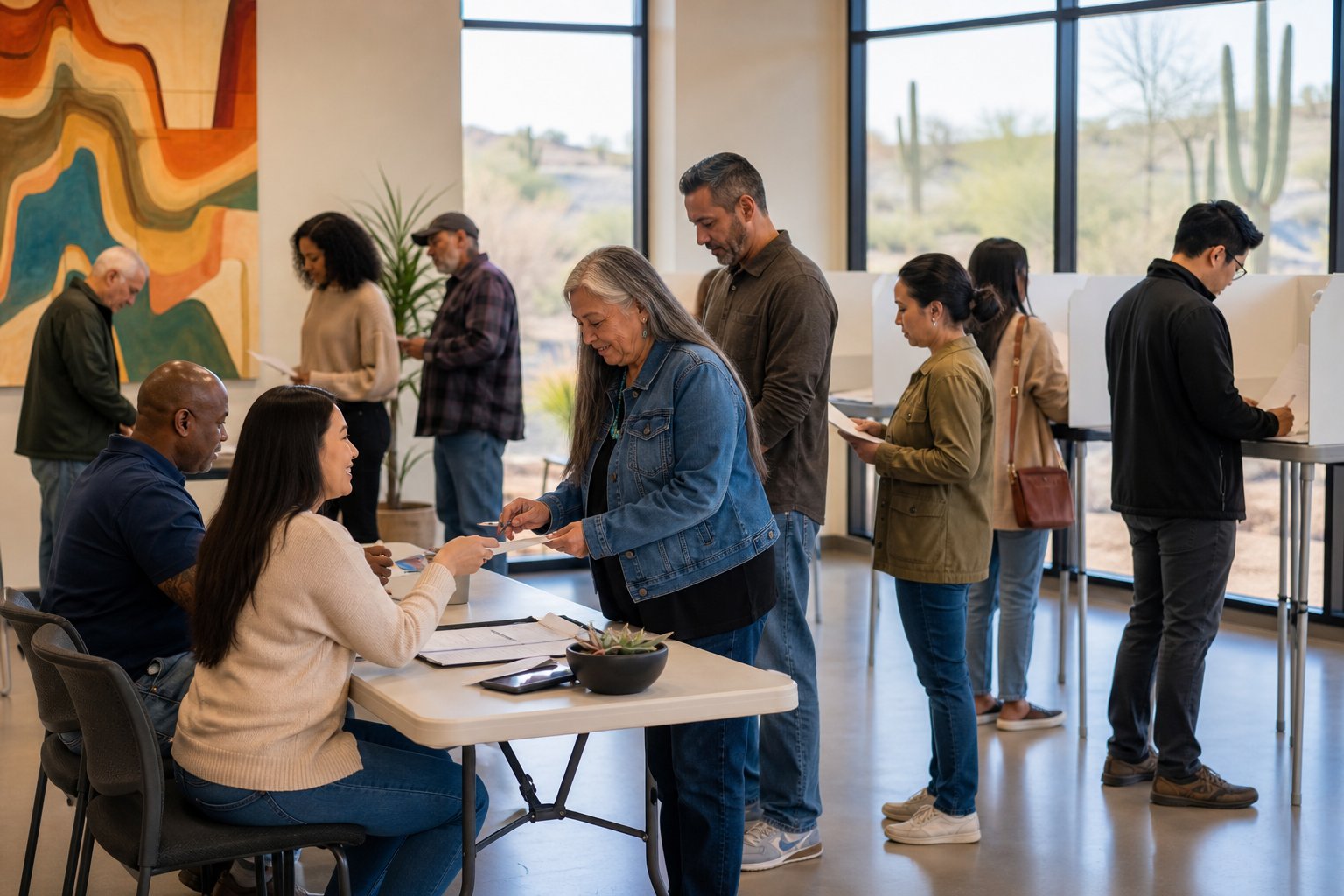
When you get convicted of a felony in Arizona, you lose your right to vote temporarily. The state suspends this civil right along with others until you finish your full sentence and pay what you owe.
First-time felony offenders can get their voting rights back automatically once they complete everything the court requires. This includes finishing jail time, probation, and paying all fines and restitution.
If your felony happened in another state or you haven't finished your sentence yet, you might need to submit an application. The process works differently based on your specific situation.
Certain serious crimes can make you permanently unable to vote. These include treason and crimes related to elections. A judge will review your case and decide if you can get your rights back.
Getting help from a criminal law attorney can make the restoration process easier. They know how to handle the paperwork and requirements you need to follow.
Convicted Felons and Their Right to Vote in Arizona
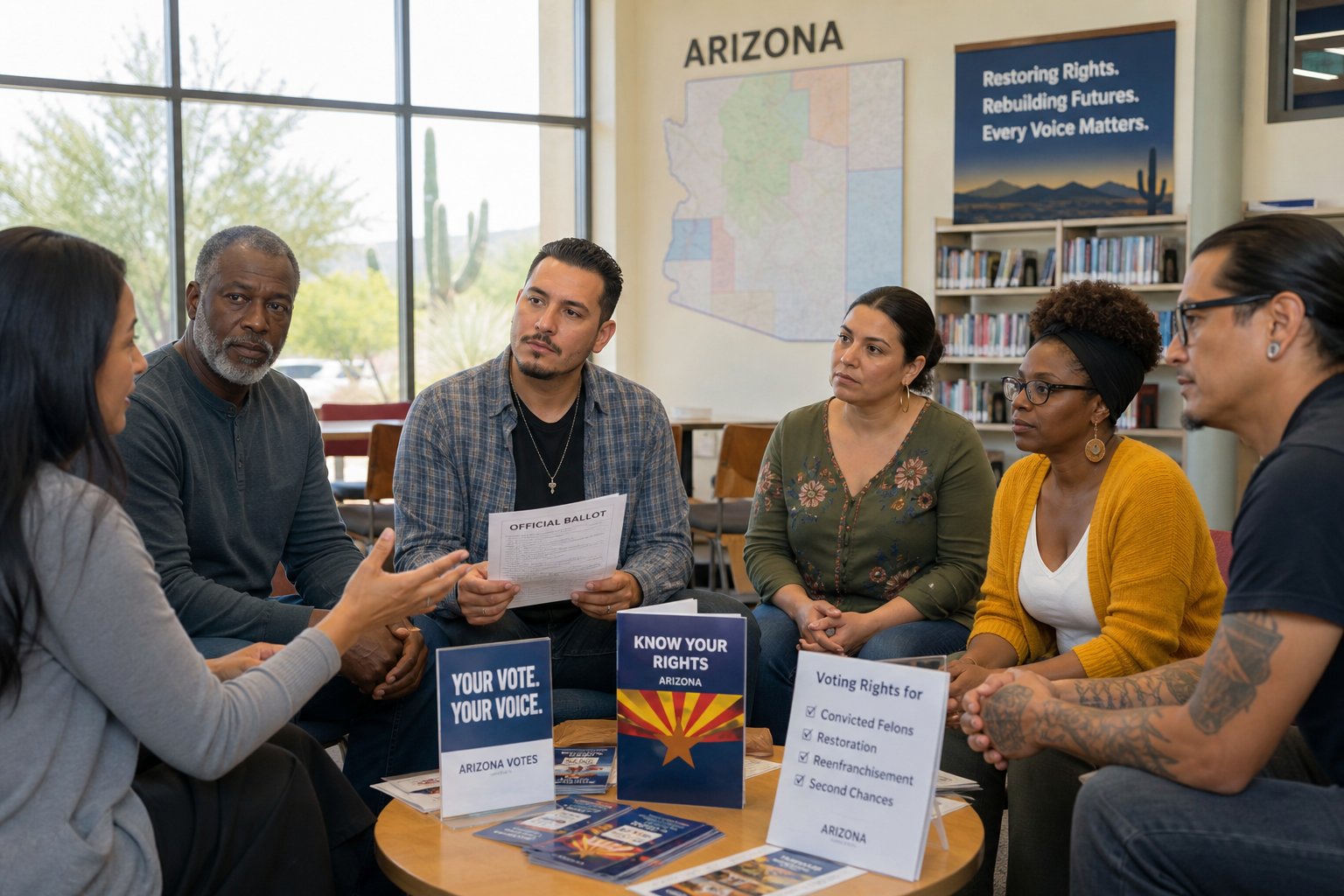
When you receive a felony conviction in Arizona, you lose certain civil rights. These include your ability to vote, serve on a jury, own firearms, and hold public office.
The good news is that you may regain your right to vote after completing your sentence. You need to finish your prison time, probation, and pay all restitution in full. The process for getting your voting rights back depends on your specific situation.
What You Need to Complete:
- All prison time
- All probation requirements
- Full restitution payments
- All fines and fees
Your ability to vote again also depends on the type of crime you committed and where it occurred. Some offenses can lead to permanent disenfranchisement. This means you may never vote again if you committed crimes related to treason or election fraud.
The number of felony convictions on your record matters too. First-time offenders face different restoration procedures than those with multiple convictions. You may need to submit a formal application to restore your felon voting rights in certain cases.
Voter Eligibility Requirements in Arizona
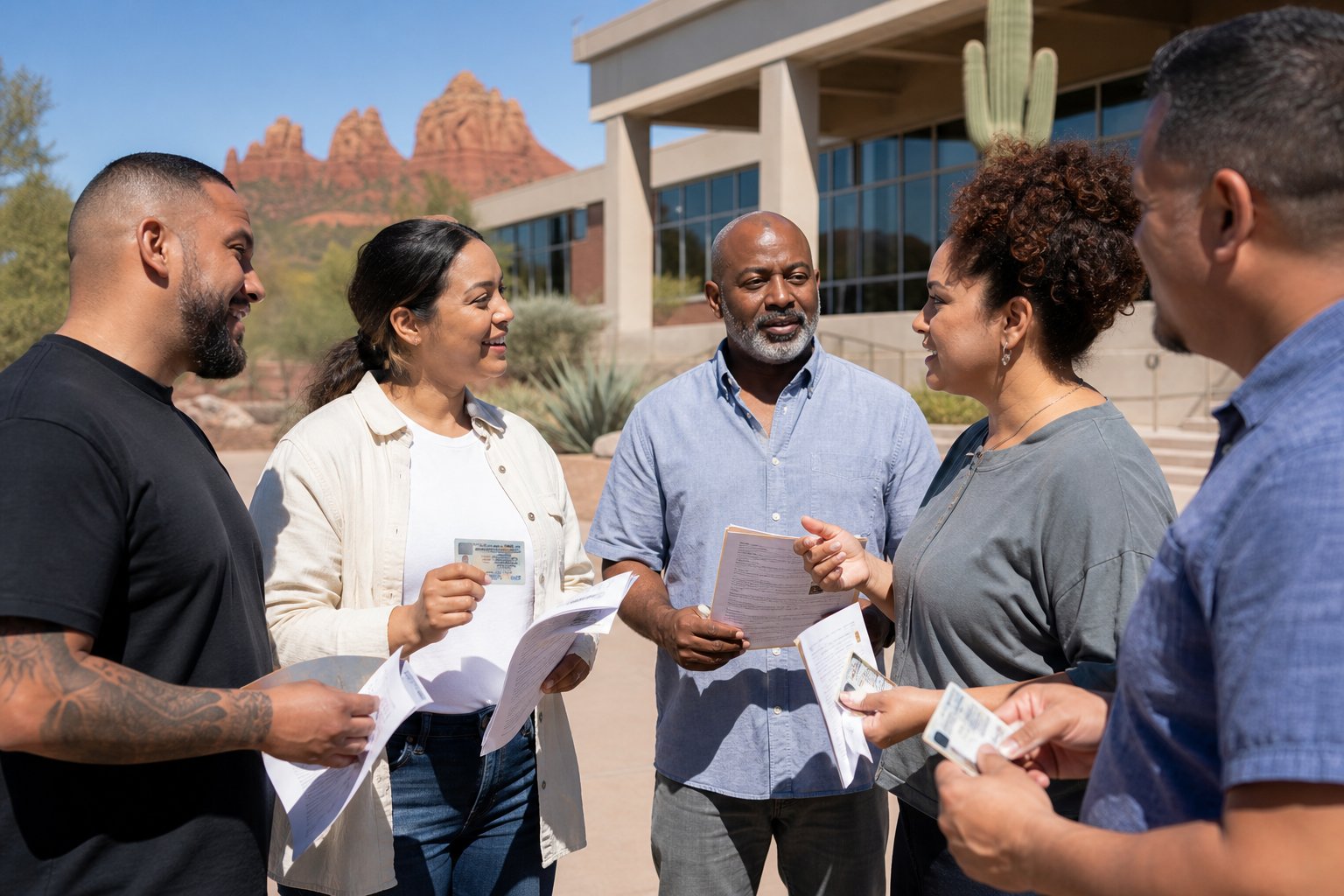
Arizona law sets specific requirements you must meet to register to vote. You need to be a United States citizen with documented proof of citizenship. You must be at least 18 years old by the next general election date.
The state requires you to sign or mark your name on registration materials unless you have a physical disability that prevents this. You cannot have a treason or felony conviction on your record unless your voting rights have been restored. You also cannot be legally declared incapacitated by the courts.
Arizona requires you to live in the state for at least 29 days before an election. Some exemptions to this residency requirement exist under state law.
Key Registration Requirements:
- United States citizenship with documentation
- 18 years old by election day
- Ability to sign your name
- No unrestored felony convictions
- Legal capacity to vote
- 29-day residency in Arizona
People with felony convictions face temporary voting restrictions. These restrictions can be lifted when you meet certain legal conditions set by Arizona law.
Loss of Civil Rights for Felons and Voting Eligibility
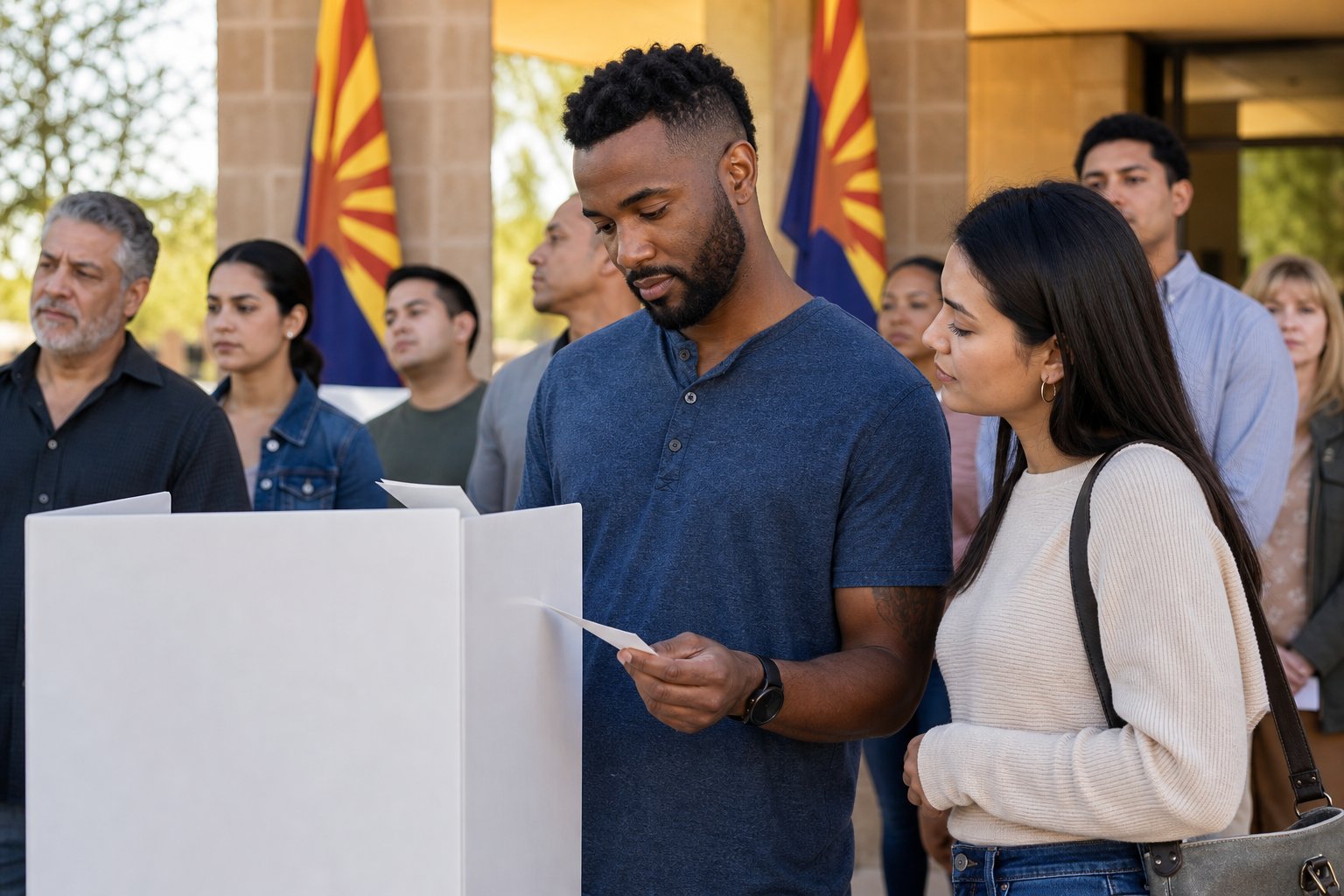
When you are convicted of a felony in Arizona, ARS 13-904 removes several important civil rights. These suspended rights include your ability to vote in elections, hold public office, and serve on a jury. You also lose the right to possess or carry firearms.
During your sentence, whether you are in prison or serving probation or parole, these rights remain suspended. The law may impose additional restrictions on your civil rights while you are incarcerated if needed for facility security or public safety.
Rights suspended under ARS 13-904:
- Voting in elections
- Holding public office
- Jury service
- Firearm possession
After you finish all parts of your sentence, you may qualify to have certain rights restored. This includes your voting rights, which can be reinstated once you meet the legal requirements for restoration.
Getting Your Voting Rights Back After a Felony

Steps to Restore Civil Rights and Register to Vote
ARS 13-907 provides a path for first-time felony offenders to regain their voting privileges. Your rights come back on their own once you finish probation or receive an absolute discharge from prison and pay all restitution in full. If you committed your first felony in Arizona and live in the state, you typically don't need to file any paperwork to get your voting rights back.
Some situations require court approval before you can vote again. You must submit an application to your current county if your offense happened outside Arizona. This applies even if it was your first felony. ARS 13-908 requires you to apply through Arizona's superior court if you have multiple felony convictions or still owe victim restitution.
The law under ARS 13-906 describes how the restoration process works. During your sentencing, the court must tell you both verbally and in writing about civil rights restoration. The judge should explain what rights you'll get back and when. If you don't qualify for automatic restoration, the court must explain how to apply. The process can vary between counties.
You can file the application yourself, or your attorney or probation officer can submit it for you. You don't pay a filing fee. You must send a copy to the county attorney or attorney general. When the court approves your application, the clerk notifies the Department of Public Safety. The DPS then updates your criminal record to reflect your restored rights.
Who Can File:
- The offender
- Your attorney
- Your probation officer
Required Actions:
- Submit application to superior court
- Send copy to county attorney or attorney general
- Wait for court approval
- Receive notification from court clerk
Once your voting rights come back, you need to complete voter registration. A felony conviction cancels your previous registration. Automatic restoration doesn't put you back on the voter rolls. You must register again by visiting your county's election resources or website.
Unique Cases and Restrictions
The court doesn't always approve applications to restore voting rights. People convicted of the most serious offenses may lose their right to vote permanently. Class 1 felonies in Arizona often result in permanent loss of voting privileges.
Offenses That May Result in Permanent Voting Loss:
- Treason - Acts that betray the country or attempts to overthrow the government
- Election crimes - Voter fraud, ballot tampering, or corrupting elections
- Public trust violations - Corruption or abuse of power in public office
- Violent felonies - Serious crimes with physical violence like first or second-degree murder
The victim can participate when the court decides whether to restore your rights. If the victim asked for notifications after your conviction, the prosecutor must tell them about your application. ARS 13-906 gives victims the right to attend the hearing and share their views on whether you should get your rights back.
The court must explain in writing why it denied your application if it rejects your request. ARS 13-905 and ARS 13-912 provide additional guidelines for rights restoration. These laws cover different aspects of regaining civil rights after felony convictions.
Getting help from a lawyer improves your chances of success. An attorney can file the application for you and speak on your behalf in court. They know what the court looks for and can set realistic expectations about the outcome.
Your certificate of absolute discharge serves as proof that you completed your sentence. Keep this document safe because you may need it during the restoration process or when you register to vote again.
The Impact of Restoring Voting Rights
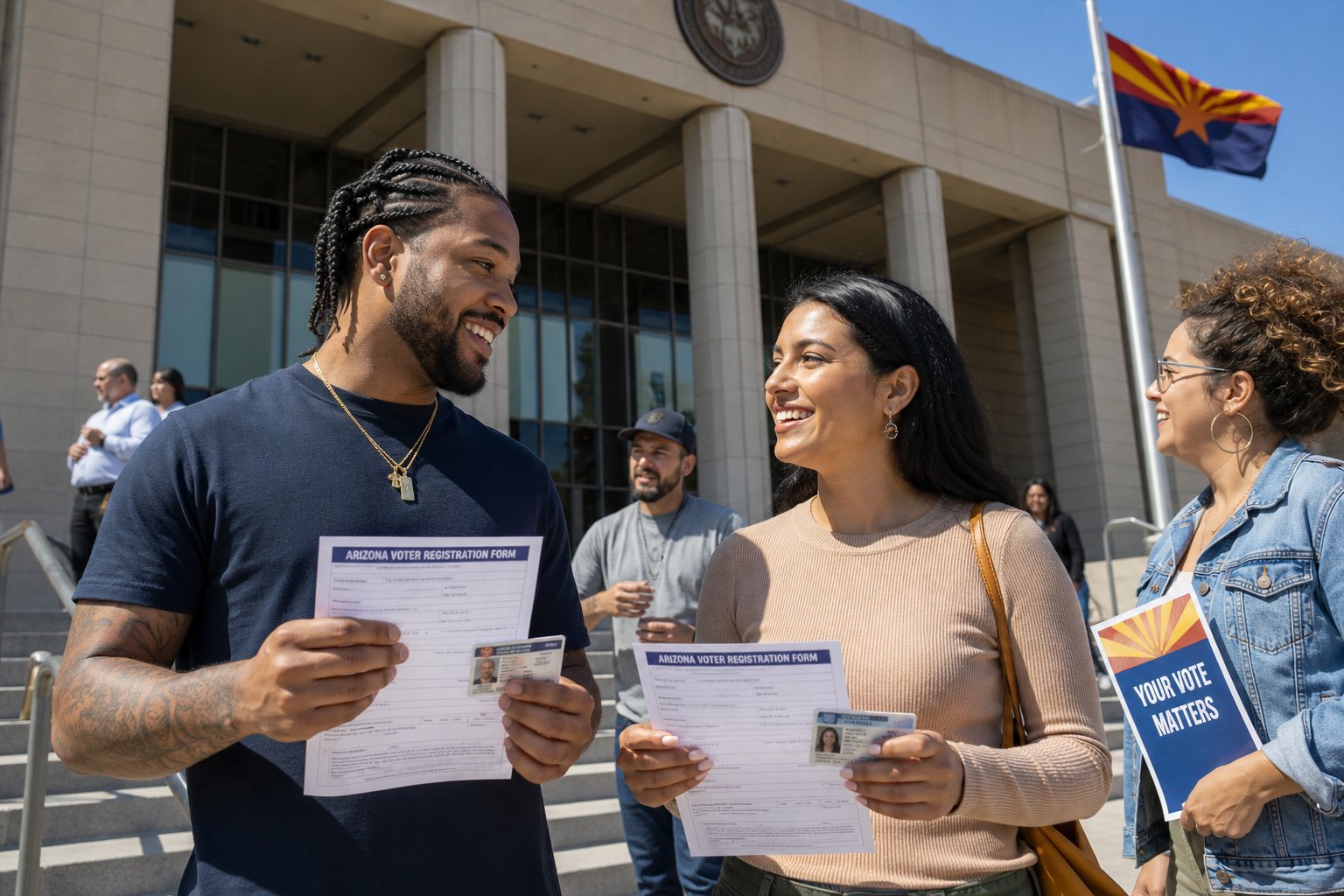
When you regain your right to vote after a felony conviction, it can affect multiple areas of your life. Getting this right back helps you reconnect with your community in meaningful ways.
Key benefits include:
- A renewed sense of civic duty and participation
- Stronger feelings of community connection
- Increased motivation to follow laws and contribute positively
- Better chances at finding employment
- A clearer path toward full reintegration
Having your vote restored gives you a voice in decisions that affect your daily life. You can participate in elections and express your views on local and state issues that matter to you. This participation helps you feel like a valued member of society again.
The restoration process also supports one of the main goals of the criminal justice system: helping people become productive community members. When you can vote, you have more reason to stay engaged with civic matters and maintain law-abiding behavior. This can motivate you to seek stable employment and contribute to your neighborhood in positive ways.
Getting Help to Restore Your Voting Rights

Several resources exist to help you navigate the voting rights restoration process in Arizona. You can start by checking your voter registration status through the Secretary of State's Arizona Voter Information Portal. This official government website shows whether you are currently registered to vote.
If you need personalized help, consider reaching out to a law firm that handles voting rights cases. Legal professionals can tell you whether you qualify to vote based on your specific situation. They can also direct you to the right county website for voter registration, like the Maricopa County Voter Registration and Elections hub if you live in that area.
Key Resources Available:
- State voter registration websites for checking your status
- County election offices for registration assistance
- Criminal defense attorneys for legal guidance
- Law firms specializing in rights restoration
If you are still serving probation or face other barriers to voting eligibility, working with a criminal defense attorney offers the most direct path forward. An attorney can walk you through each step of the civil rights restoration process and explain your options clearly.
Getting Help with Voting Rights Restoration
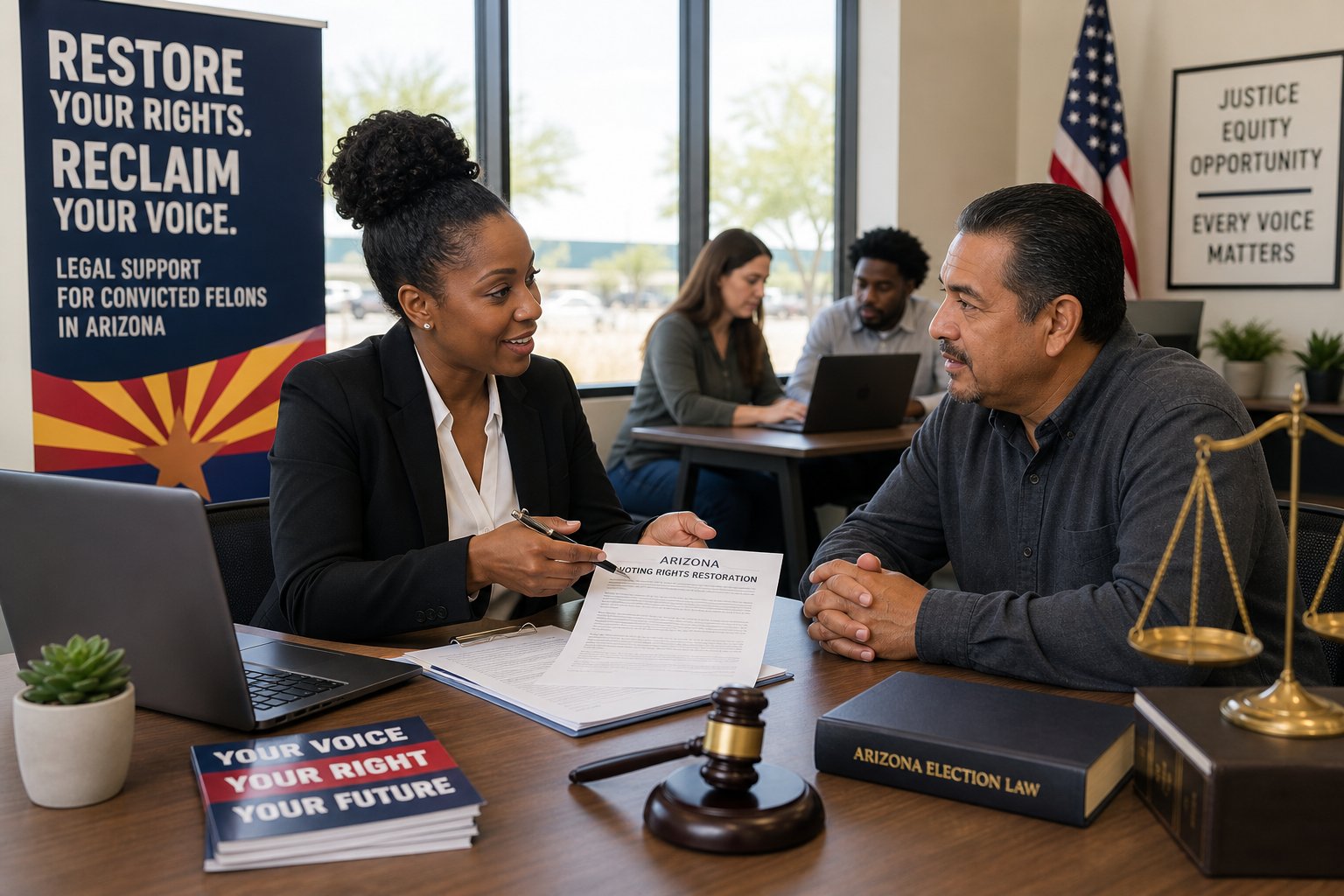
If you have a felony conviction and want to restore your voting rights, you may need legal help. The process can be complex, especially if your conviction was out of state or you have not completed all parts of your sentence.
A criminal defense attorney can help you understand whether your rights restore automatically or if you need to apply. They can review your case to determine if you have paid all restitution and completed probation or imprisonment.
Legal professionals who focus on rights restoration can guide you through the application process. They know Arizona law and can help you gather the documents you need. An attorney can also represent you in court if your situation requires a hearing.
You can reach out to law firms that handle criminal defense and civil rights restoration cases. Many attorneys offer consultations to discuss your specific situation. They can explain what steps you need to take based on your conviction history.
Legal support makes the restoration process less confusing and increases your chances of success.
You can reach Arizona Criminal Lawyer criminal defense attorneys at (602) 610-5019 to schedule a consultation. Getting professional legal help early in your case matters when dealing with criminal related issues. The firm focuses on defending your rights and working toward the best possible result for your situation.


