
What Happens If You Refuse a Breathalyzer Test in Arizona? Legal Consequences and Penalties Explained
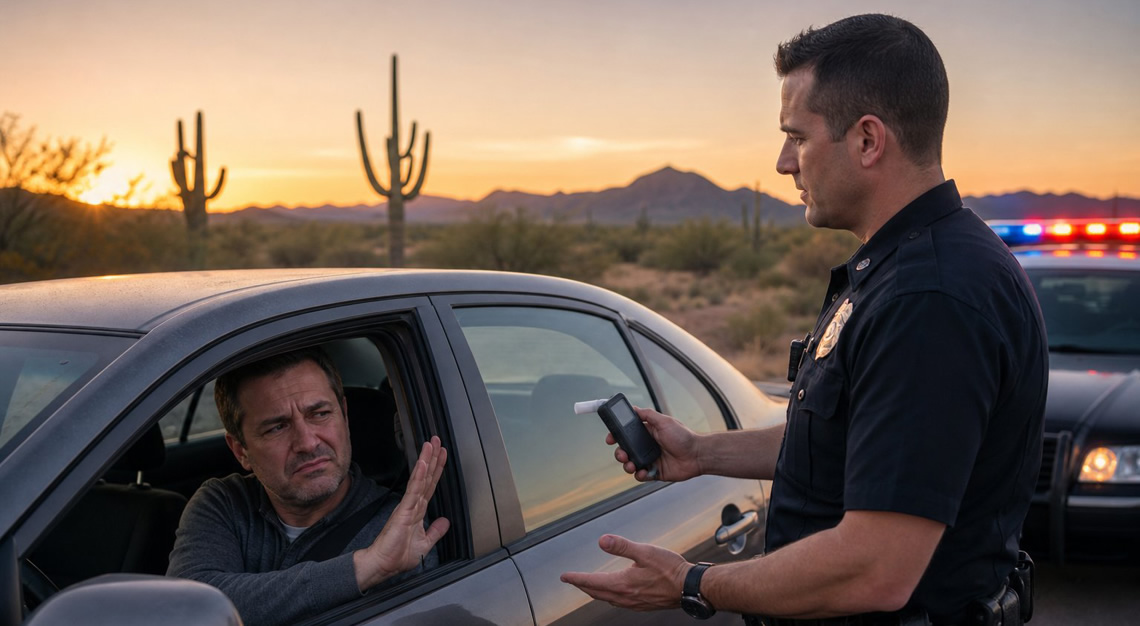
Arizona takes drunk driving enforcement seriously, and refusing to take a breathalyzer test when an officer asks can create serious problems for you. If a police officer has pulled you over and suspects you of driving under the influence, you face an important choice that will affect your driver's license and your legal situation.
When you get your Arizona driver's license, you automatically agree to submit to chemical testing if an officer arrests you for DUI. This is called implied consent. If you say no to a breath, blood, or urine test after a lawful DUI arrest, you will lose your license for at least one year, regardless of whether you were actually drunk. Understanding your rights and what penalties you face can help you make better decisions during a traffic stop.
Key Takeaways
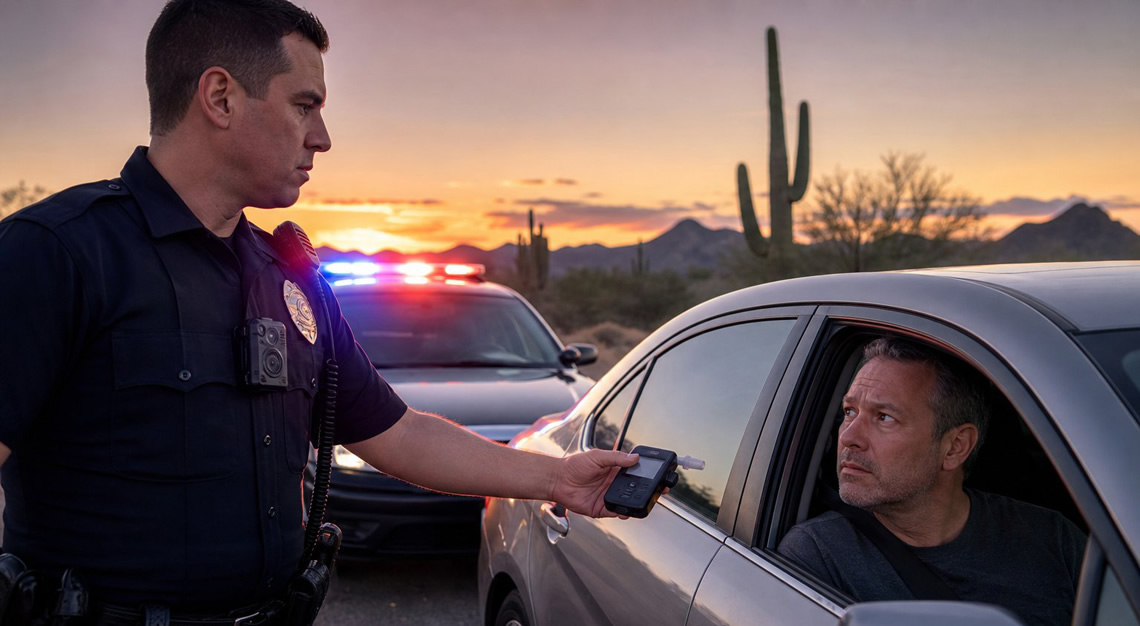
Refusing a breath test in Arizona comes with serious penalties. Your driver's license will be suspended for 12 months on a first refusal. If you have a previous refusal or DUI within the past 84 months, the suspension increases to 24 months.
Law enforcement can still get evidence of your blood alcohol content. Officers typically obtain a warrant for a blood draw even when you decline the breath test. Your refusal does not stop them from collecting BAC evidence.
Your refusal can hurt your case in court. Prosecutors may present your decision to refuse as a sign that you knew you were guilty. This can make both your criminal trial and DMV hearing more difficult.
The penalties for refusing often exceed those for failing the test. You face longer license suspensions and possibly harsher criminal charges compared to simply taking and failing the breath test.
Legal help is important after a refusal. Contact an experienced DUI attorney right away to discuss your specific situation and options.
Arizona DUI Basics and Implied Consent
Arizona enforces some of the strictest DUI laws in the nation. Even first-time offenders face harsh criminal penalties under state statutes.
When you drive in Arizona, you automatically agree to take a chemical test if an officer lawfully arrests you for driving under the influence. This agreement happens the moment you get behind the wheel. You don't need to sign anything or make a verbal promise. The law treats driving itself as your consent.
Two Types of Arizona DUI Charges:
- Per se violations: Your blood alcohol concentration reaches 0.08 or higher for standard drivers, or 0.04 for commercial driver's license holders
- Impairment-based charges: You consumed alcohol and it affected your driving ability, even if your BAC stays below legal limits
Arizona's implied consent rules require you to submit to breath, blood, or urine testing when arrested. This applies across the entire state, from Phoenix to Scottsdale to Mesa and beyond.
Main Arizona DUI Statutes:
|
Statute |
Description |
|---|---|
|
A.R.S. §28-1381 |
Standard DUI violations |
|
A.R.S. §28-1382 |
Extreme and super extreme DUI |
|
A.R.S. §28-1383 |
Aggravated DUI offenses |
|
A.R.S. §28-1321 |
Implied consent and test refusal |
You can face DUI charges based on impairment alone. The state doesn't always need to prove you exceeded the legal BAC limit. If alcohol affected your driving to any degree, prosecutors can file charges against you.
Two Different Breath Tests: Understanding What Police Ask For
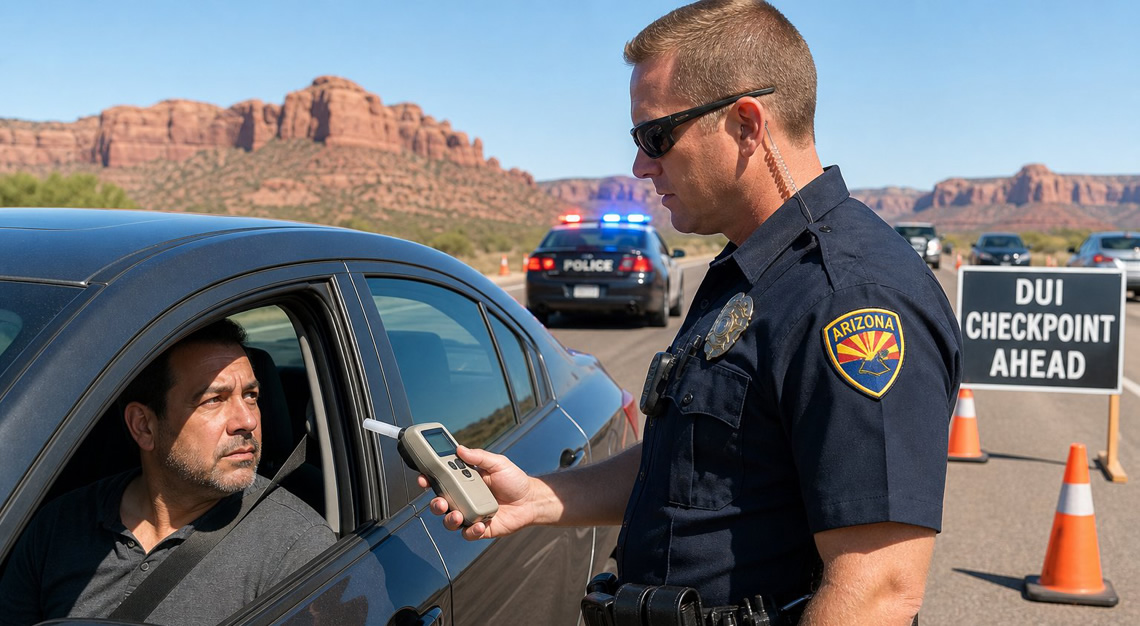
Arizona uses two separate breath tests during DUI stops. Each test serves a different purpose and comes with different legal outcomes.
The first test happens at the roadside. Officers use a small handheld device called a preliminary breath test. This portable tool helps police decide if they have enough reason to arrest you. You can refuse this test without facing automatic penalties in most situations.
The second test occurs after your arrest. Police take you to the station and use a larger machine to conduct this official test. The Intoxilyzer 8000 is one common device used for this purpose. This post-arrest breathalyzer creates evidence for court. Arizona's implied consent law applies to this test.
The key difference matters for your driving privileges. Refusing the roadside test rarely leads to license suspension. Refusing the official test at the station triggers serious consequences under state law.
Officers might also request blood or urine tests instead of breath testing. All of these count as official chemical tests after arrest.
What Happens Right After You Refuse a Breathalyzer Test in Arizona?
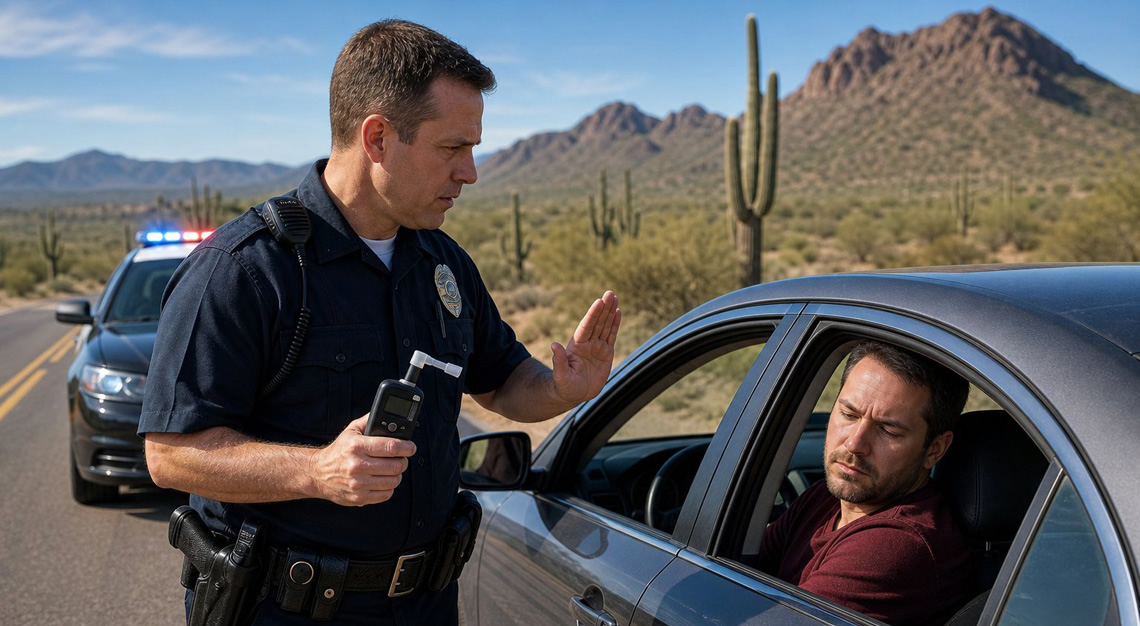
When you decline to take a breathalyzer during a DUI stop, several things happen right away. The officer will take your driver's license from you at that moment. You get a suspension order and a temporary permit that lets you drive for about 15 days.
Your refusal does not stop the DUI arrest. Officers will still book you on drunk driving charges. In some cases, refusing the test may speed up the arrest process.
The officer writes down your refusal in their police report. This documentation goes into MVD forms that get used at administrative hearings later.
Many officers can now get electronic warrants very quickly. In most Arizona areas, police can request and receive these warrants in just minutes. Once they have the warrant, you must submit to a blood draw even though you refused the breathalyzer.
Officers will take you to a hospital or police station for the forced blood test. The warrant makes this blood draw mandatory. Your initial breathalyzer refusal does not prevent law enforcement from collecting evidence of your blood alcohol level through other methods.
Arizona breathalyzer refusal creates immediate legal consequences that you cannot avoid by simply saying no to the initial test.
License Suspension and Other Administrative Penalties for Breathalyzer Refusal
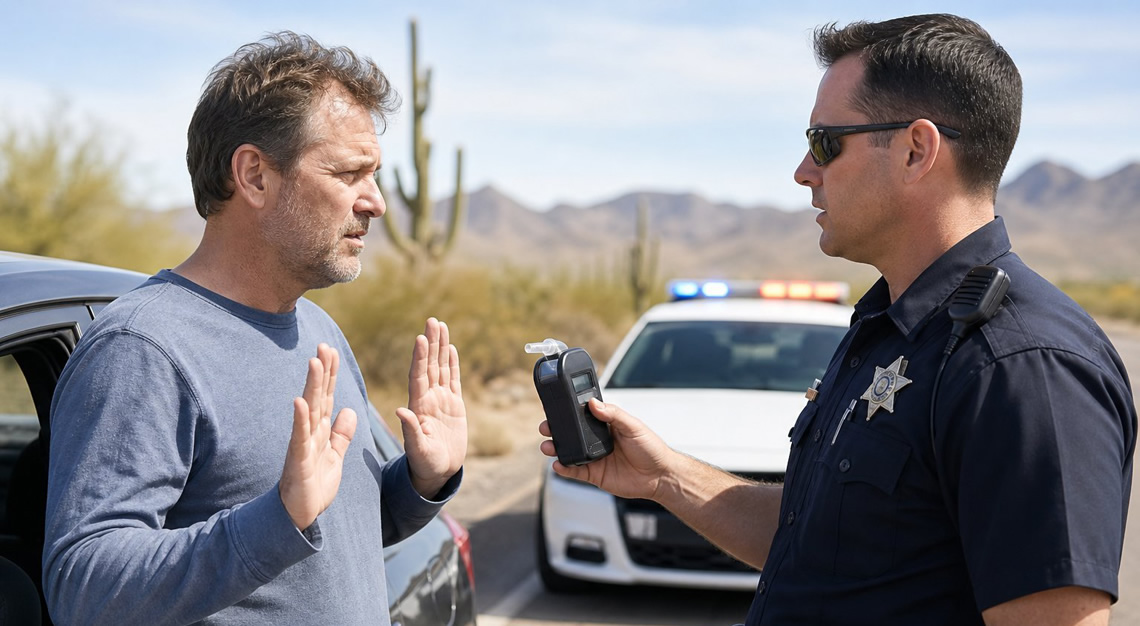
When you refuse a breathalyzer test in Arizona, the Motor Vehicle Division takes action against your license separately from any criminal charges. These penalties happen through an administrative process that moves forward whether or not you get convicted of DUI.
First Refusal Consequences
If you refuse a breathalyzer for the first time, you face a 12-month driver's license suspension. This penalty applies even when you beat the DUI charge in court. The suspension starts automatically unless you take action.
Multiple Refusals or Prior DUI
The penalties get worse if you have a history. When you have a previous DUI conviction, license suspension, or breathalyzer refusal within the past seven years, a new refusal triggers a two-year suspension.
Administrative Process Timeline
You have about 15 days from when you receive the suspension notice to request a hearing with the MVD. Missing this deadline means your suspension begins without any chance to challenge it. This happens before your court date for any criminal charges.
Additional Penalties You May Face
- Required installation of an Ignition Interlock Device on your vehicle, even without a conviction
- Loss of eligibility for a restricted or work permit license in some cases
- Higher insurance rates or policy cancellation due to high-risk classification
- Mandatory filing of an implied consent affidavit in certain situations
The administrative license suspension begins quickly and creates immediate problems for your daily life. An attorney can help you understand your options for challenging the suspension or obtaining limited driving privileges.
How Refusing a Breathalyzer Affects Your Criminal DUI Case
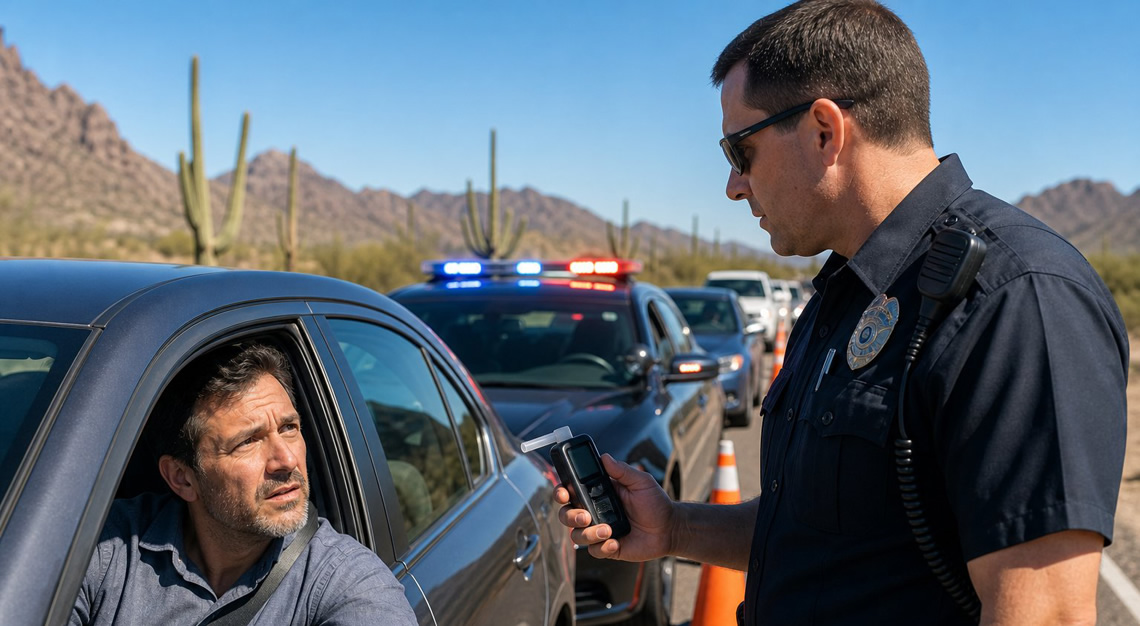
Saying no to a breathalyzer does not stop police from charging you with DUI. The state can still move forward with criminal charges against you.
Prosecutors often use your refusal against you in court. They may tell the jury that you refused testing because you knew you were drunk. Courts in many states allow this argument and let juries consider your refusal as evidence.
The state can build a case without breath test results using:
- How officers saw you act and look
- The way you were driving before the stop
- Your performance on field sobriety tests
- Video from police cameras
- What you said to officers
- Blood test results obtained through a warrant
If police get a judge to approve a blood draw after you refuse, you face worse problems. The blood test may show your exact blood alcohol level, and you still deal with all the license suspension penalties from refusing.
Your refusal does block some defense options. Your lawyer cannot challenge breathalyzer machine errors or question whether the device was working correctly. However, refusing may create new defenses. Your attorney might argue that police did not properly explain your rights or that you never actually refused the test.
Police can use other evidence to convict you even when you refuse testing.
Breath Test vs. Blood Test in Arizona DUI Cases
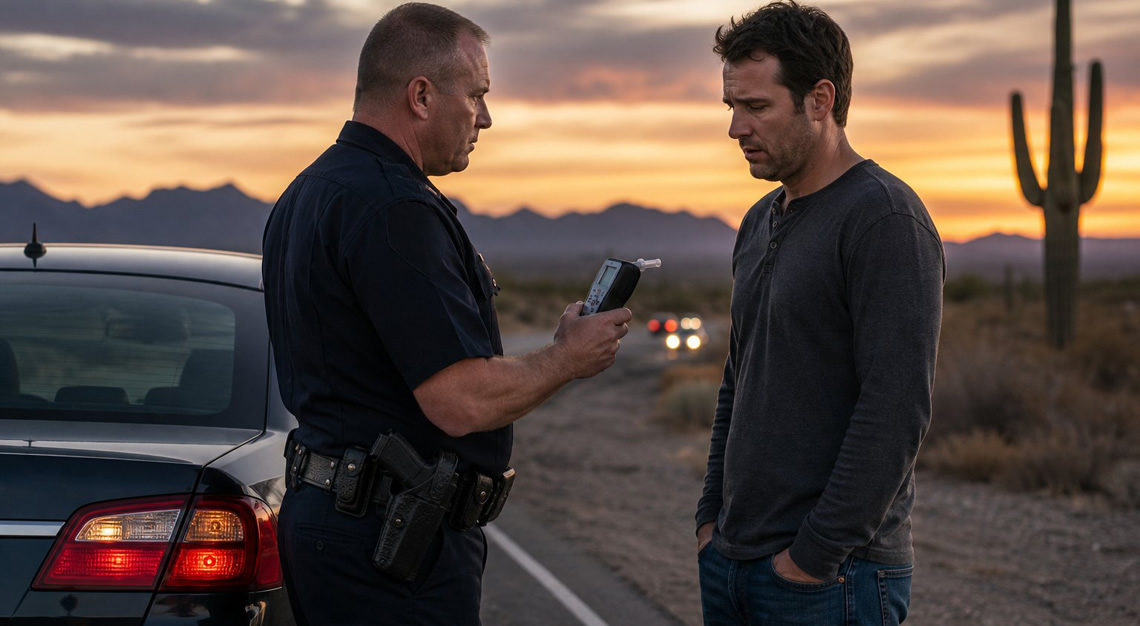
Arizona law enforcement uses two main types of chemical tests during DUI stops. Each test works differently and carries distinct legal requirements.
Officers can ask you to take a breath test after they arrest you for DUI. Blood tests work differently. Police typically need to get a warrant before they can take your blood, unless special circumstances apply.
When you say no to a breath test, officers often apply for a warrant to get your blood instead. Blood samples can detect both alcohol and certain drugs in your system. They also tend to hold up better as evidence in court.
Key differences between the two tests:
|
Test Type |
Warrant Required |
What It Detects |
Accuracy Issues |
|---|---|---|---|
|
Breath |
Usually no |
Alcohol only |
Device calibration, medical conditions, diet |
|
Blood |
Usually yes |
Alcohol and drugs |
Collection process, storage, lab procedures |
Breath testing devices can give wrong readings for several reasons. If the machine wasn't set up right, the results might be off. Your metabolism and what you eat can also affect the numbers. Medical problems like acid reflux may cause false high readings.
Blood tests must follow strict rules for collecting, storing, and testing samples. Defense lawyers often find more ways to question blood test procedures than breath test results.
You face a choice at the traffic stop. Refusing the breath test means one less piece of evidence against you, but it usually leads to a blood test and a longer license suspension. Taking the test avoids refusal penalties but gives prosecutors a BAC number to use in court.
Is Refusing a Breathalyzer Test in Arizona Ever the Right Choice?
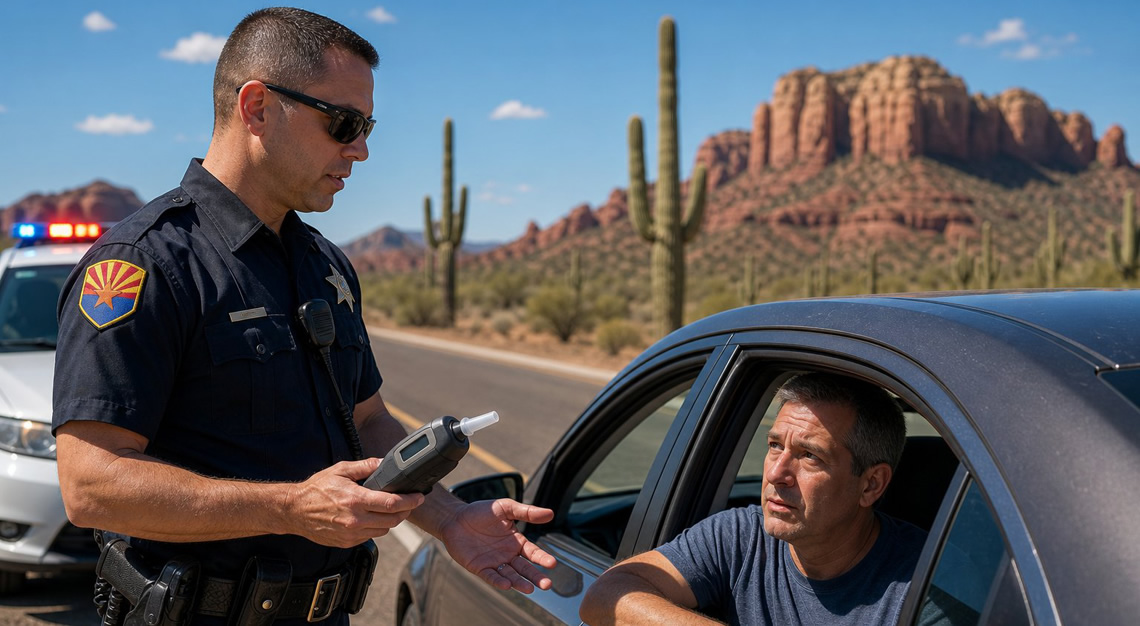
The decision to refuse a breathalyzer depends entirely on the details of your situation. There is no single answer that works for everyone.
Refusal might work in your favor in certain cases. If no crash happened and officers have little evidence of your driving, refusing could make it harder for the state to prove impairment. When field sobriety test observations are weak, the lack of a BAC number may help your defense.
However, refusal carries serious risks in other situations:
- Prior DUI convictions within the last seven years
- Commercial driver's license status
- Accidents with injuries or children in your vehicle
- Aggravated DUI possibilities
If you know you are under the legal limit, taking the test might avoid the implied consent suspension and give you evidence for your defense. This decision must be made quickly under pressure.
Your safest option when stopped is to politely ask to speak with an attorney. Avoid making any statements that could hurt your case while you wait for legal advice.
Legal Defenses in Arizona Breathalyzer Refusal Cases

Your attorney can build a defense using several approaches when you face a breathalyzer refusal charge. One common strategy involves examining whether the officer properly explained your rights under Arizona's implied consent law. If the warnings were unclear or incorrect, this could strengthen your case.
Your defense may also question whether the officer had valid grounds to arrest you in the first place. Police must follow specific procedures, and any violations of these requirements can be challenged.
Common defense arguments include:
- Medical conditions that prevented you from completing the test
- Language barriers that caused misunderstanding
- Confusion about which test you were being asked to take
- Malfunctioning testing equipment
Your attorney can obtain and review important evidence such as police reports, video footage from body cameras and dashboard cameras, and MVD paperwork. These records may reveal problems with how your case was handled.
You have the right to challenge your license suspension at an MVD hearing. Your lawyer can question the arresting officer and argue that proper procedures were not followed. This hearing provides an opportunity to protect your driving privileges.
Steps to Take After Refusing a Breathalyzer in Arizona

If you refused a breathalyzer test during your DUI arrest, you need to act fast. Time matters when it comes to protecting your driving privileges and building your defense.
Start by reading all the forms the officer gave you. Look for the Admin Per Se document and your temporary driving permit. These papers show important deadlines for requesting a hearing with the Motor Vehicle Division.
Call a DUI lawyer right away. An attorney can file your hearing request before the deadline passes and start collecting evidence like dashboard camera footage and witness accounts.
Write down everything you remember about your traffic stop while the details are still clear. Include what the officer said to you, whether they explained implied consent, and if you asked to speak with a lawyer.
Quick action matters for both your criminal case and your license suspension. Waiting too long can remove defense options that might have helped your case.
Common Questions About Breathalyzer Test Refusals in Arizona
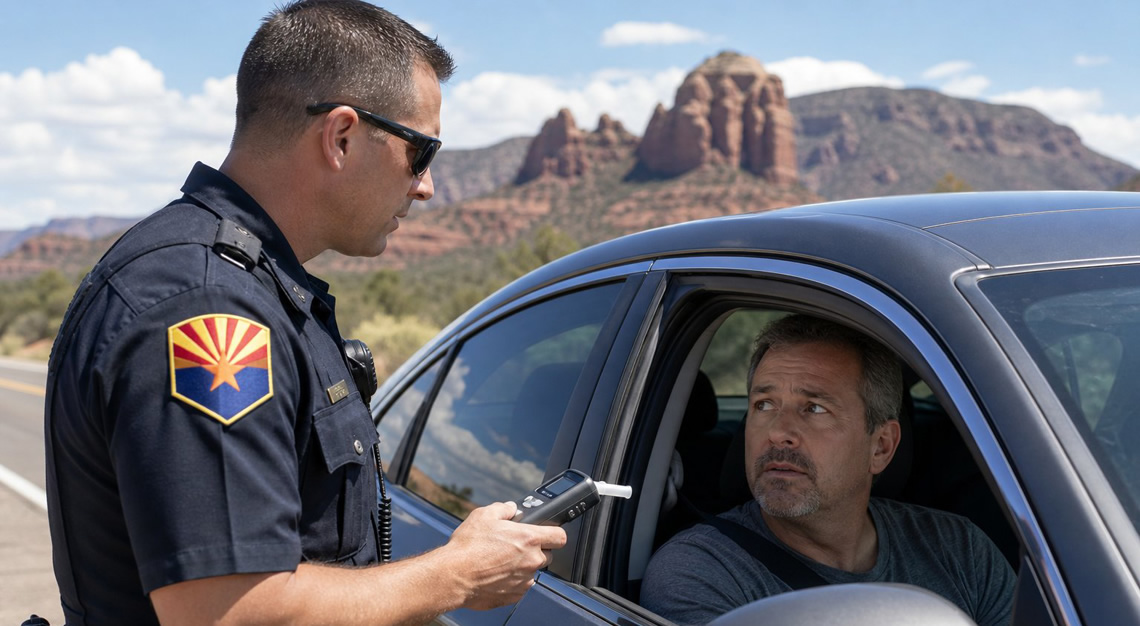
Do I have the right to speak with a lawyer before taking a breathalyzer?
You have a limited right to contact a lawyer before you decide on a breath, blood, or urine test in Arizona. The police must allow you a reasonable chance to call an attorney as long as it does not create an unreasonable delay in their investigation.
Officers will not wait forever for you to reach a lawyer. If you take too long or do not cooperate, they may count your delay as a refusal. You should politely ask to speak with a lawyer right away when you are arrested.
Keep in mind that you must still follow lawful orders from the officer while they decide how to proceed. Getting help from an attorney is important whether you took the test or refused it.
Are the penalties different for commercial drivers who refuse?
Commercial driver's license holders face stricter rules and harsher penalties. Federal and Arizona regulations set a lower BAC limit of 0.04 for CDL drivers. A refusal triggers not only the standard one-year suspension but also disqualification of your CDL privileges.
This can destroy your career as a professional driver. The consequences go beyond your personal license and affect your ability to work. You should reach out to a DUI defense attorney right away to explore options for protecting both your regular license and your CDL.
Key differences for CDL holders:
- Lower legal BAC threshold (0.04 vs. 0.08)
- CDL disqualification in addition to regular license suspension
- Greater impact on employment and income
- Limited options for restricted or work permits
What happens if I have a medical condition that prevents me from blowing?
Arizona law recognizes a difference between refusing a test and being unable to provide a sample because of a real medical problem. Conditions like severe asthma, lung disease, or recent surgery can make it impossible to give an adequate breath sample.
Officers may treat multiple failed attempts as a refusal unless you have clear proof of a medical issue. You should tell the officer about any health problems at the time of testing. Later, you will need medical records and possibly doctor testimony to support your claim.
An attorney can help gather this documentation and present it at your MVD hearing or in court. This evidence may help you avoid or reduce your license suspension.
Can you remove a refusal from your driving record?
Arizona has limited options for clearing your record. Set-aside laws mainly apply to criminal convictions, not administrative actions by the MVD like implied consent suspensions.
You might be able to get a DUI charge reduced, dismissed, or set aside later. However, the refusal itself and the related MVD history can stay on your driver record for many years. Your best option is to act fast after an arrest and challenge the suspension where possible.
When should you call an attorney after refusing a breathalyzer?
You should contact an attorney within a few days of your arrest. Important deadlines come up quickly. You often have only 15 days to request an MVD hearing to contest your license suspension.
Early contact allows your attorney to file the right paperwork on time. They can get police reports, video footage, and other evidence before it disappears. Your lawyer can then build both a criminal defense and an administrative defense.
Quick action gives you the best chance to protect your license and fight any DUI charges. Waiting too long can cost you important rights and opportunities to defend yourself.
Why Choose Arizona Criminal Lawyer for Your Arizona DUI or Breathalyzer Refusal Case?
Arizona Criminal Lawyer maintains a focused team that handles DUI cases and criminal defense matters throughout Maricopa County and other parts of Arizona. The firm's attorneys regularly work on cases involving breath tests, blood tests, and implied consent violations.
An Arizona DUI lawyer at Arizona Criminal Lawyer can challenge testing procedures and MVD license suspensions on your behalf. The legal team works to reduce potential jail time, lower fines, and limit the impact on your driving privileges.
You will receive straightforward explanations of how Arizona DUI laws apply to your situation. The firm provides honest evaluations of your case and maintains regular contact with you during the legal process.
Call (602) 610-5019 to arrange a confidential consultation with the DUI defense team at Arizona Criminal Lawyer if you are dealing with a DUI charge or refused a breathalyzer test.


